
Buyer Evaluation
How to Evaluate AI Marketplace Listings Before You Buy: A Practical Checklist for Faster Decisions
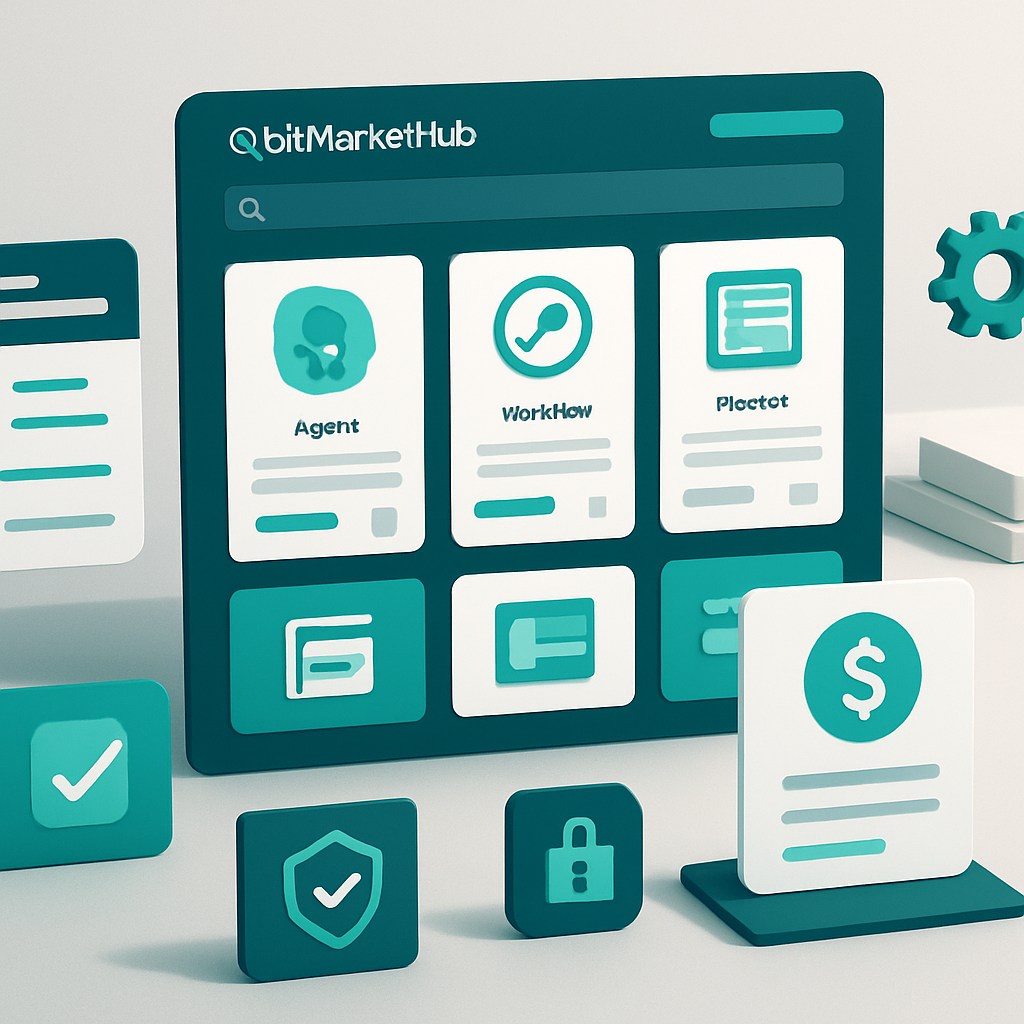
How to Evaluate AI Marketplace Listings Before You Buy: A Practical Checklist for Faster Decisions
Buying an AI product from a marketplace should be faster than researching from scratch, but only if you know what to check first. A listing can look polished and still leave critical questions unanswered: what is included, how delivery works, who built it, and whether it fits your use case.
This guide gives buyers a practical way to evaluate AI marketplace listings before purchase. It is designed for teams, operators, small businesses, and individual buyers who want to compare options without wasting time or losing trust.
If you want to browse practical AI products while you apply this checklist, Explore AI products.
Why buyer evaluation matters in an AI marketplace
AI marketplace listings can include agents, workflows, prompts, APIs, templates, and other digital products. That variety is useful, but it also means buyers need a simple evaluation process.
A good review process helps you:
- understand the product scope before checkout
- reduce back-and-forth with sellers
- compare similar listings more consistently
- spot missing information early
- avoid buying something that does not match your workflow
QbitMarketHub is built as a marketplace for discovering, comparing, requesting, and purchasing AI products from independent creators. It can help organize that discovery process, but it does not guarantee that every third-party product will work for every buyer.
What to check in an AI product listing
Start with the basics. Before you compare pricing or polish, confirm the listing answers the following questions.
1. What problem does the product solve?
A strong listing should explain the use case clearly. Look for language that says what the product is for, who it is intended for, and what outcome it is designed to support.
Good signals include:
- a specific workflow or task
- a clear user type or audience
- a defined use case
- practical examples
Weak signals include vague phrases like "boost productivity" without explaining how.
2. What is included in the delivery?
Always check the deliverables. A prompt pack is not the same as a workflow template, and an agent listing is not the same as a fully managed service.
Ask whether the listing includes:
- files, templates, or prompt assets
- setup instructions
- access details or delivery steps
- source files or configurations, if relevant
- any post-purchase handoff process
If the seller has not clearly defined delivery, ask before buying.
3. How specific is the scope?
Scope clarity is one of the most important parts of evaluation. A listing should make it easy to understand what is and is not included.
Look for details about:
- supported use cases
- input requirements
- limitations
- whether customization is included
- what the product is not designed to do
This matters because a broad-sounding product may still only cover a narrow workflow.
4. What proof or context is provided?
Buyers should look for practical evidence, not exaggerated claims. Depending on the product, proof may include:
- screenshots
- example outputs
- workflow diagrams
- implementation notes
- short demo clips
- creator explanations of how the product works
If the listing makes strong claims but gives no context, treat it carefully.
5. How does the seller describe support and updates?
Do not assume third-party support unless it is clearly stated by the seller. If the listing includes support, check what that means in practice.
Useful questions include:
- Is support included?
- Is it limited to setup help or ongoing help?
- Are updates part of the purchase?
- Is there a response window or contact process?
If the seller does not specify support, you should not assume it is available.
A faster evaluation framework for buyers
Use this simple framework when reviewing listings in a marketplace.
Fit
Does the product match your actual workflow, industry, or task?
Clarity
Is the listing clear about scope, delivery, and limitations?
Proof
Does the seller provide enough detail to assess the product with confidence?
Risk
What is unclear, missing, or dependent on your own setup?
Value
Does the listing justify the time, cost, and integration effort?
This framework keeps you focused on decision quality instead of listing style.
Questions to ask before you buy
If a listing still feels ambiguous, ask the seller direct questions such as:
- What exactly is included in the purchase?
- What do I need to provide to use it?
- How is delivery handled after checkout?
- Is this a ready-to-use product or a starting point?
- What are the main limitations?
- Is any customization included?
These questions help you evaluate the product on facts rather than assumptions.
How to compare multiple listings without wasting time
When you are comparing several AI products, use the same criteria for each one.
A simple comparison table can include:
- listing name
- use case
- delivery type
- scope clarity
- proof provided
- support described
- fit for your workflow
If you want a more structured approach, read How to Compare AI Products in a Marketplace Without Wasting Team Time.
When to proceed and when to pause
You may be ready to buy when the listing clearly explains:
- what the product does
- what is included
- how it is delivered
- what limitations exist
- how the seller handles handoff or support, if any
You should pause if:
- the use case is vague
- delivery is not explained
- the scope is too broad to evaluate
- the seller makes claims without context
- critical details are missing
A strong marketplace listing should make the buyer's decision easier, not harder.
How QbitMarketHub supports buyer evaluation
QbitMarketHub is designed to help buyers discover and compare practical AI products in one place. It supports marketplace discovery, listing review, and purchase flows so buyers can spend less time chasing details.
That said, buyers still need to evaluate each third-party product carefully. The marketplace can organize the experience, but it does not guarantee the performance, security, or compliance of products unless a seller specifically states those details.
For buyers who want to start browsing practical options, Explore AI products.
FAQ
What should I look for first in an AI marketplace listing?
Start with the product's use case, delivery scope, and limitations. If those are unclear, it is difficult to compare the listing fairly.
How do I know whether an AI product is right for my team?
Check whether the product matches your actual workflow and whether the listing explains what is included, what is required from you, and what is out of scope.
Should I assume a marketplace product includes support?
No. Only assume support is included if the seller clearly states it in the listing or purchase details.
Can a marketplace guarantee that a third-party AI product will work for me?
No. A marketplace can help you discover and purchase products, but it cannot guarantee that every product will work for every buyer or produce business outcomes automatically.
What is the best way to compare two similar AI listings?
Use the same checklist for both: fit, clarity, proof, risk, and value. That makes comparison faster and more consistent.
Final takeaway
The best AI marketplace purchases usually come from clear listings, realistic expectations, and a simple evaluation process. If you focus on scope, delivery, proof, and fit, you can make decisions faster without losing trust.
QbitMarketHub is built to support that process by helping buyers discover practical AI products and helping sellers present them more clearly.
Ready to review listings with a clearer framework? Explore AI products or learn more from How AI Marketplace Buyers Can Evaluate Products Faster Without Losing Trust.